AI Shot Matching for Multi-Camera YouTube Edits: A Faster Color Consistency Workflow
AI shot matching helps creators fix mismatched camera color fast. Learn a practical workflow for cleaner multi-camera YouTube edits with less manual correction.

By Movi AI Team
Movi AI Editorial Team
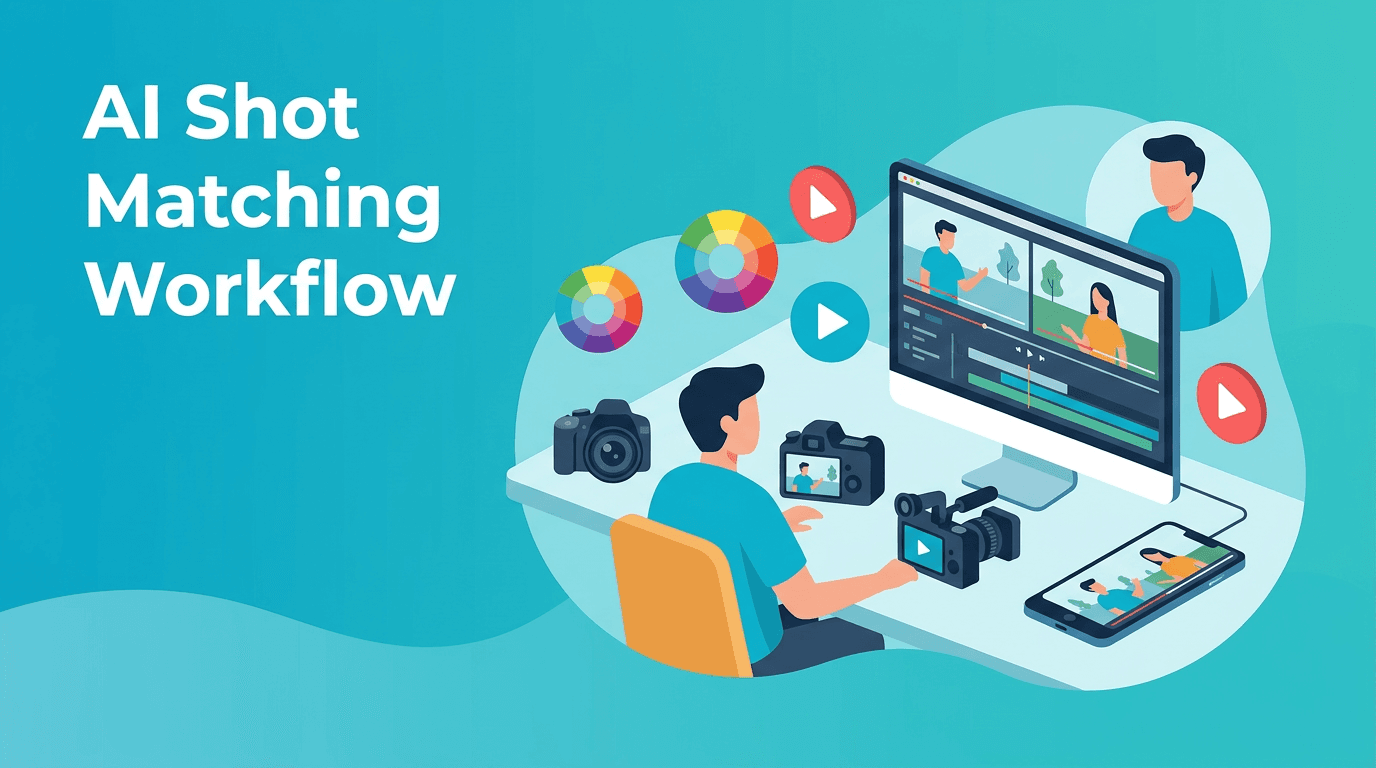
AI shot matching is one of the fastest ways to fix an annoying multi-camera problem: clips from different angles never look exactly the same. If you edit interviews, podcasts, tutorials, or YouTube videos, this workflow helps you reduce manual corrections and keep your timeline visually consistent.
Why multi-camera footage breaks visual consistency
Even when you shoot the same scene at the same time, one camera may be warmer, one may be flatter, and one may expose skin tones differently. The result is a distracting cut every time your edit switches angles. Instead of correcting each clip by hand, AI shot matching gives you a faster starting point that you can refine in minutes.
- Common causes include mixed camera brands, auto white balance shifts, uneven exposure, and different picture profiles.
- Manual correction often means repeating the same color fixes on multiple clips.
- AI-assisted matching can analyze reference frames and bring clips closer together before you do final polish.
When to use AI shot matching in your workflow
This technique works best for talking-head videos, interviews, webinars, remote podcasts, and any project with repeated angle changes. It is especially useful when you need clean results fast and do not want to spend half your session chasing tiny color differences between cuts.
Best use cases for creators
- YouTube interviews with A-cam and B-cam footage
- Podcast video edits recorded on separate cameras
- Educational videos where the editor cuts between desk and side angles
- Client testimonials filmed with one main camera and one backup angle
"Good editing becomes invisible when every cut feels natural, and color consistency is a big reason why."
Step-by-step AI shot matching tutorial
1. Choose your reference clip first
Pick the cleanest clip in your sequence as the visual anchor. Usually this is the best-lit medium shot with accurate skin tone. Your other clips should be matched to this reference, not the other way around. This simple decision makes AI shot matching far more reliable.
2. Group clips by camera angle
Before applying anything, sort clips by source. Put all Camera A clips together, all Camera B clips together, and any phone or webcam footage in separate groups. This prevents random corrections and makes batch adjustments easier.
3. Run the AI match pass
Use your AI tool to compare each non-reference angle against the chosen master clip. The goal is not perfection on the first pass. The goal is to quickly align white balance, exposure, contrast, and skin tone so cuts feel less jarring.
4. Check skin tones before backgrounds
Editors often waste time matching walls, desks, or windows first. Prioritize faces. If skin looks consistent, viewers will accept minor background variation much more easily.
5. Fine-tune only the obvious mismatches
After the AI pass, inspect jump cuts between angles. Look for three things: overly red skin, crushed shadows, and blown highlights on foreheads or cheeks. Make only small manual tweaks. This is where AI shot matching saves time, because most of the heavy lifting is already done.
Before and after: what changes most
- Before: one angle looks yellow, another looks flat, and every cut calls attention to itself.
- After: exposure feels aligned, faces stay natural, and angle changes look intentional instead of messy.
- Time saved: what used to take 30 to 60 minutes can often be reduced to a quick setup plus brief polish.
Manual workflow vs AI-assisted workflow
A manual workflow usually means opening scopes, adjusting every clip individually, copying grades, and correcting them again when lighting drifts. An AI-assisted workflow starts from analysis and matching, then leaves you with smaller creative corrections instead of repetitive technical cleanup.
- Manual editing: slower, more precise in expert hands, but repetitive for large multi-cam projects.
- AI-assisted editing: faster setup, stronger consistency, ideal for recurring channel formats.
- Best hybrid approach: let AI handle baseline matching, then do final human review for brand look and mood.
Speed up your next edit with Movi AI
Create and refine videos faster with AI-powered tools for creators who need polished results without a slow manual workflow.
Download Movi AIHow Movi AI fits into a faster creator workflow
*Movi AI* helps creators move from raw assets to polished video faster with AI-powered generation and editing support. If you are building tutorials, promos, short explainers, or social content from text, images, or existing clips, it can reduce repetitive production steps and keep your output consistent.
Frequently Asked Questions
What is AI shot matching in video editing?
AI shot matching uses machine analysis to align color and exposure between clips, especially from different cameras or angles.
Can AI shot matching replace manual color correction?
Not completely. It is best used as a fast starting point, then refined manually for skin tones, contrast, and creative style.
Is AI shot matching useful for YouTube videos?
Yes. It is especially helpful for interviews, tutorials, podcasts, and other multi-camera YouTube formats where consistency matters.
How do I choose a reference clip for AI shot matching?
Pick the clip with the best lighting and most accurate skin tone, then match all other angles to that clip.
Movi AICreate stunning AI videos in seconds!
Turn your ideas into professional videos with the #1 AI video maker.
Download Movi AI