AI Video Effects That Are Actually Going Viral on TikTok and Reels
AI video effects are evolving fast, from surreal motion filters to voice-driven edits and scene transformations. Here is what is trending on TikTok and Instagram, how each effect works, and how creators can use them without looking late to the trend.

By Movi AI Team
Movi AI Editorial Team
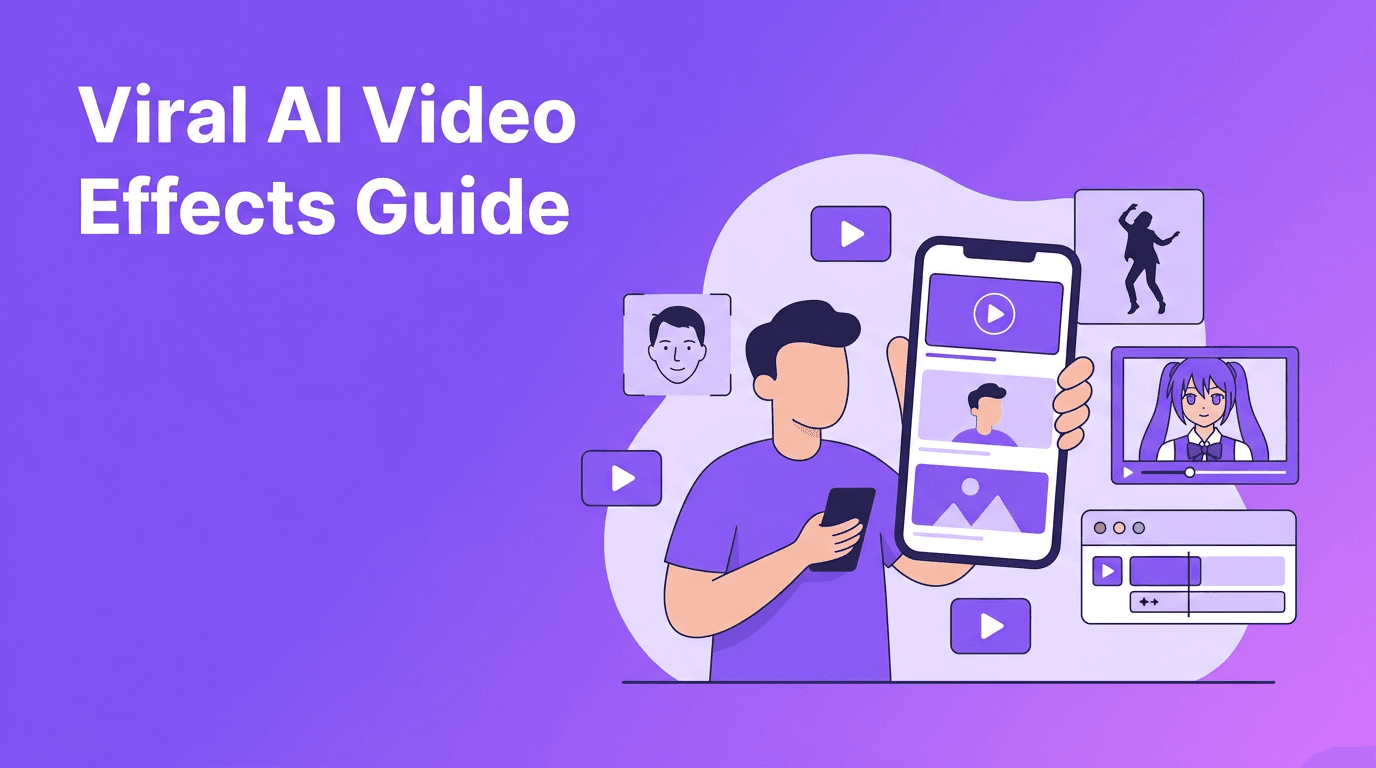
If your For You Page suddenly looks more cinematic, more surreal, and way more animated than usual, you are seeing the rise of ai video effects. From instant character transformations to motion-driven edits and talking avatars, creators on TikTok and Instagram are using AI to make short videos feel bigger, faster, and more scroll-stopping.
Why ai video effects are dominating short-form video
The biggest reason is simple: speed meets novelty. Short-form platforms reward videos that surprise viewers in the first second, and AI effects are perfect for that. A basic selfie can turn into an anime scene, a static photo can start dancing, and a voice track can animate a character in seconds. That kind of transformation gets attention fast.
- They create instant pattern interrupts that stop the scroll.
- They compress editing time for creators who do not want a full desktop workflow.
- They make trends easier to remix, which helps videos spread quickly.
- They lower the skill barrier, so more creators can experiment with advanced-looking edits.
The latest ai video effects creators are using right now
1. AI motion and scene transformation effects
One major trend is taking a normal clip and transforming the environment, outfit, lighting, or overall vibe with a single prompt. These ai video editing effects often use video-to-video generation. The model analyzes movement, subject placement, and scene structure, then re-renders the clip with a new visual style while trying to preserve the original motion.
- Use clips with clear subject separation from the background.
- Keep camera movement simple and readable for better consistency.
- Write prompts that focus on one main transformation instead of five at once.
- Trim your source video to the strongest 3 to 7 seconds before applying the effect.
2. Talking character and lip sync effects
Lip sync tools are still huge because they turn voiceovers into personality-driven content. Technically, these tools map phonemes, which are mouth-shape units in speech, to facial animation frames. Many systems also track head pose, blinking, and expression timing, which makes the result feel more believable.
Creators use this for reaction content, meme explainers, mini skits, and faceless brand videos. It works especially well when you want a character or avatar to carry the story instead of speaking directly on camera.
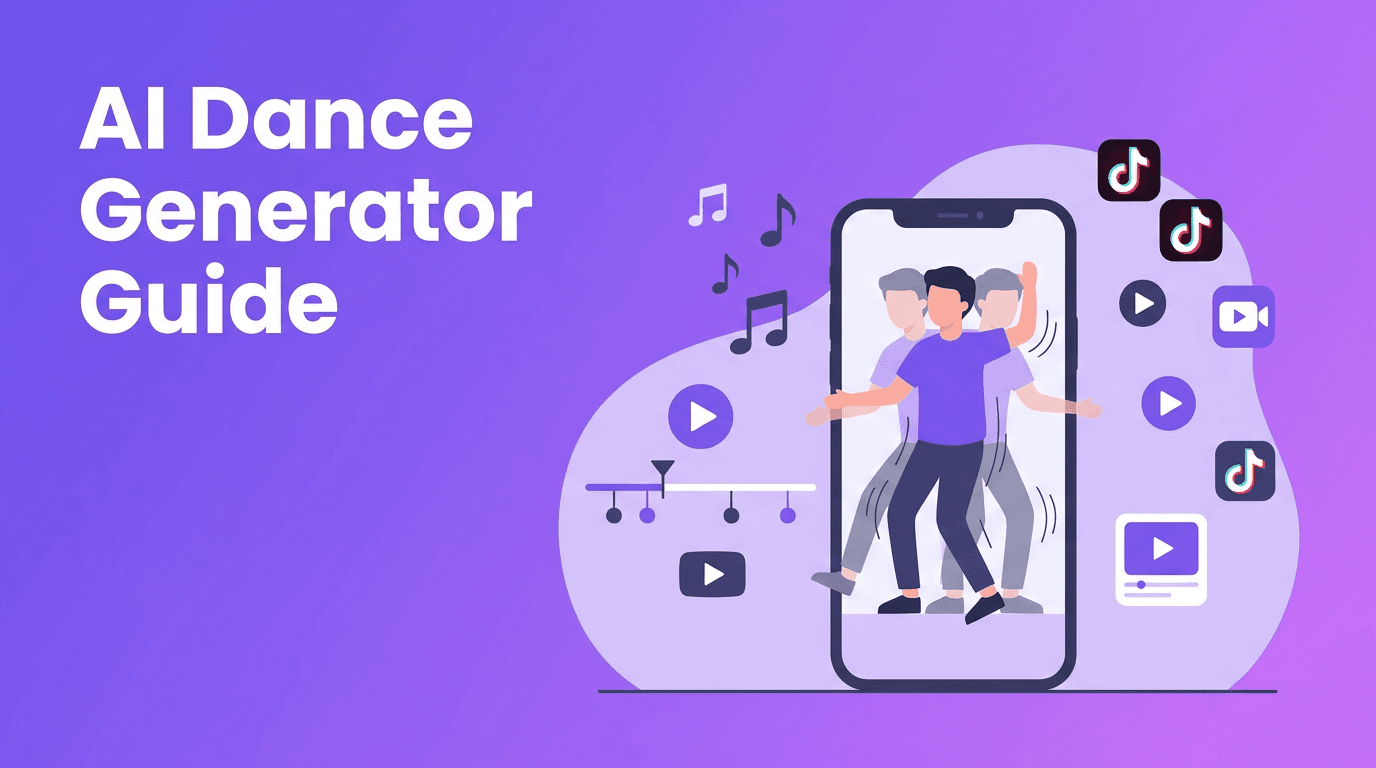
3. AI dance and motion remix effects
The ai dance effect trend keeps resurfacing because movement is naturally engaging. These effects often rely on pose estimation, where AI detects body joints like shoulders, elbows, hips, and knees across frames. That motion data can then animate a new character, stylize the body, or generate a dance-like sequence from a still image.
- Start with full-body framing so the model can read motion better.
- Use clean backgrounds to reduce pose-tracking errors.
- Pick songs with obvious beats so the movement feels intentional.
- For meme content, exaggeration often performs better than realism.
The best AI effect is not the most complex one. It is the one viewers understand instantly and want to watch twice.
How popular AI filters work behind the scenes
Anime and illustrated transformations
Even though anime filter ai has been covered a lot, it still evolves through better temporal consistency and richer line detail. These filters usually combine image segmentation, facial landmark detection, and generative stylization. The goal is to keep your face, hair, and motion recognizable while changing texture, shading, and proportions into an illustrated look.
To make anime-style filters work better, use front-facing light, clear eyes, and steady movement. Fast head turns and hair covering the face can confuse the model and create flicker.
Face swap and identity transfer
Ai face swap effects remain popular for comedy, fan edits, and character roleplay. Technically, the model detects facial landmarks, aligns the source and target faces, then blends identity features like eyes, nose, mouth, and skin texture into the output video. Better tools also handle lighting and head angle matching to reduce the uncanny look.
This is where ethics matter most. Always get clear consent before swapping someone else's face into content. Avoid deceptive use, impersonation, or anything that could mislead viewers. Funny content is one thing, but trust is your real long-term asset.
Beauty enhancement and skin smoothing
The modern ai beauty filter is more than just blur. It can detect facial regions, smooth skin selectively, brighten eyes, adjust symmetry, refine contours, and even rebalance lighting. The smart version of this effect preserves texture instead of making skin look plastic.
- Use beauty tools with a light touch. Over-processing usually hurts trust and retention.
- Combine skin cleanup with good lighting instead of relying on AI alone.
- For tutorial or product content, keep the result natural enough to feel credible.
Style transfer and aesthetic remixes
Another wave of trending ai effects is style transfer for video. This lets creators apply a visual language, such as comic shading, dreamy film texture, clay-like surfaces, retro graphics, or futuristic glow, across a clip. Under the hood, AI identifies structural elements in each frame and re-renders them to match learned style patterns.
This is powerful for creators building a recognizable brand look. Instead of chasing every trend, you can choose one style and make it part of your visual identity.
How to use ai video effects without making your content feel generic
- Start with a strong hook first, then add the effect. The effect should support the idea, not replace it.
- Match the effect to the content type. Comedy, tutorials, music edits, and brand videos need different energy.
- Keep clips short. Most tiktok ai effects perform better when the transformation happens quickly.
- Test the same concept with two different effects and compare retention.
- Use captions that explain the payoff, especially if the effect is subtle.
The mistake many creators make is using an effect because it is available, not because it fits the story. Viewers can feel that instantly. The best ai video filter is the one that makes the idea clearer, funnier, more emotional, or more surprising.
Want to test these AI effects fast?
*Movi AI* gives you a flexible way to create videos from prompts, images, and existing clips with powerful AI tools built for creators.
Download Movi AIA simple workflow for creators using Movi AI
With *Movi AI*, you can experiment with ai video effects without building a complicated editing stack. Start with a text prompt if you want a fully generated scene, use image-to-video if you want to animate artwork or concept visuals, or apply video-to-video tools when you want to transform footage you already shot.
- Use text-to-video for concept-heavy content and fantasy visuals.
- Try image-to-video for animated portraits, product reveals, and meme formats.
- Use video-to-video to restyle your clips into new aesthetics.
- Use speech-to-video when voice is driving the content and visuals need to follow.
This matters because trends move quickly. A creator who can test an idea in 15 minutes has a much better chance of catching momentum than someone stuck in a slow manual workflow.
Final take: chase the trend, but keep your identity
The newest ai video effects are exciting because they let solo creators produce visuals that used to require teams, plugins, or heavy post-production. But the creators who win are not just stacking effects. They are pairing the right effect with a clear idea, fast pacing, and a recognizable point of view.
If you want your next TikTok or Reel to stand out, focus on one transformation, one emotion, and one reason someone should share it. Then let AI do the heavy lifting.
Frequently Asked Questions
What are ai video effects?
AI video effects are automated visual transformations powered by machine learning. They can restyle footage, animate faces, track movement, generate scenes, or sync visuals to audio.
Which ai video effects are trending on TikTok right now?
Creators are using scene transformation effects, talking avatar tools, face swap edits, beauty enhancement filters, dance motion remixes, and stylized aesthetic filters.
How does an ai video filter work?
An AI video filter analyzes each frame for faces, motion, objects, and scene structure, then applies a generated visual change while trying to keep movement consistent.
Are ai face swap videos legal?
They can be legal in some contexts, but consent and transparency matter. Do not use face swap tools to deceive, impersonate, or exploit someone without permission.
What app can I use to create ai video effects?
You can use Movi AI to create videos from prompts, images, audio, or existing footage, making it a practical option for testing and producing AI-powered content.
Movi AICreate stunning AI videos in seconds!
Turn your ideas into professional videos with the #1 AI video maker.
Download Movi AI