AI Video Rendering Speed: How to Create Faster Marketing Clips Without Sacrificing Quality
AI video rendering speed matters when you need more content in less time. Learn how faster AI workflows help creators and brands publish polished videos efficiently.

By Movi AI Team
Movi AI Editorial Team
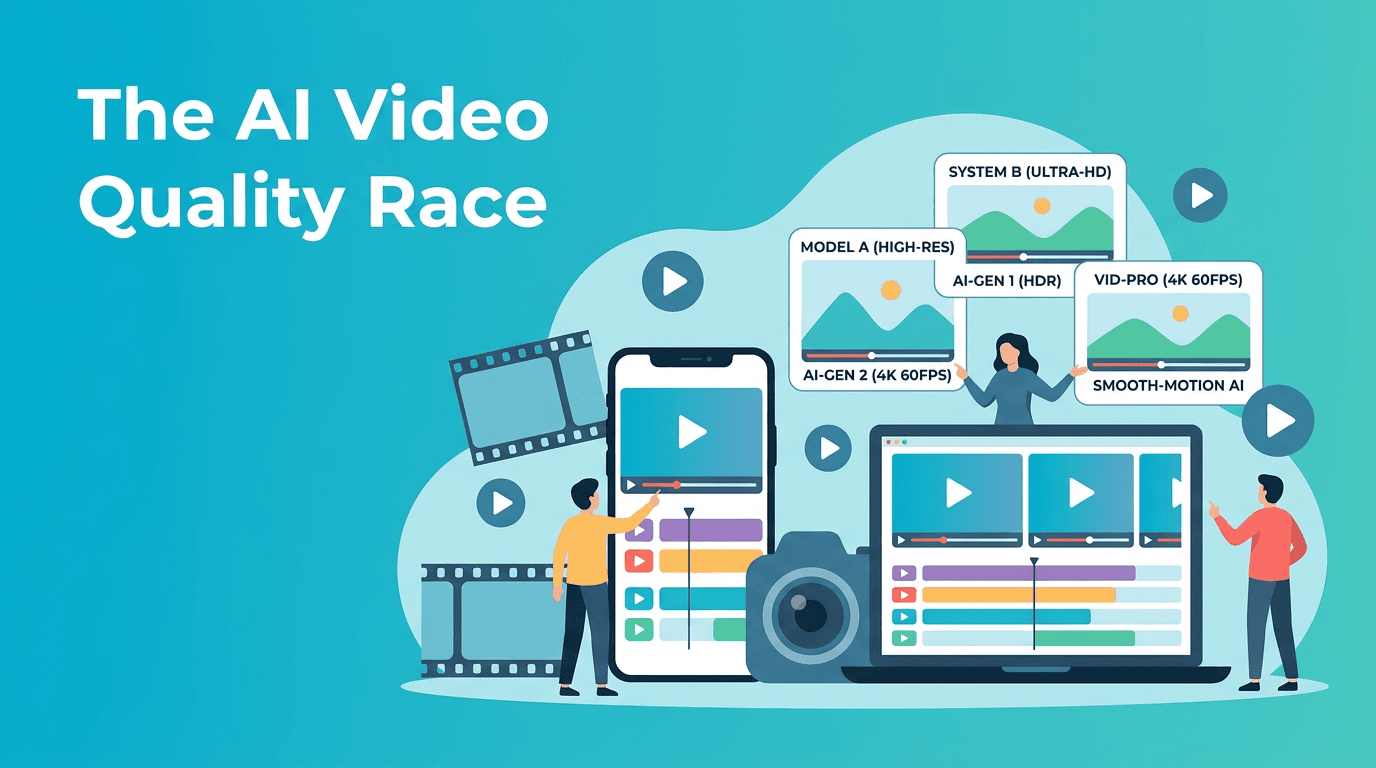
AI video rendering is the process of turning your prompt, image, or source footage into a finished video file using machine learning models. For creators and brands, the key question is simple: how do you get faster results without ending up with weak visuals? The answer is to balance prompt clarity, clip length, motion complexity, and output settings from the start.
Why AI video rendering speed matters
When you publish on TikTok, Reels, Shorts, or product pages, speed affects everything from campaign timing to testing volume. Faster AI video rendering lets teams create more variations, respond to trends quickly, and keep content production moving without a full studio setup.
- Creators can test multiple hooks before posting.
- Marketers can build more ad variations in less time.
- Small businesses can launch product videos without long editing cycles.
- Social media managers can keep a steady publishing schedule.
4 factors that affect AI video rendering
1. Prompt complexity
Detailed prompts can improve relevance, but too many competing instructions may slow generation or create inconsistent scenes. Keep the request focused on the subject, action, camera feel, and outcome.
2. Clip length
Longer clips usually take more processing time. If speed matters, generate shorter scenes first, then combine the strongest outputs into a final sequence.
3. Motion intensity
Scenes with heavy action, multiple moving objects, or dramatic camera moves often require more processing. Start with moderate movement if you want reliable AI video rendering for everyday marketing content.
4. Output quality settings
Higher resolution and more detailed outputs can increase render time. For social content, it is often smarter to begin with platform-ready settings instead of pushing for maximum quality on every draft.
5 practical ways to speed up production
- Write short, specific prompts instead of long, overloaded descriptions.
- Generate 5 to 8 second clips first, then stitch the best scenes together.
- Reuse successful prompt structures for recurring campaigns.
- Create draft versions before exporting final quality.
- Use a mobile workflow like *Movi AI* to go from idea to publishable video faster.
"The best video workflow is not the one with the most features. It is the one that helps you publish strong content consistently."
How Movi AI helps you create faster
*Movi AI* is a practical option for creators who want fast, flexible production on mobile. You can create videos from prompts, images, speech, or existing footage, which makes it easier to match the workflow to the content goal instead of forcing every idea into one format.
- Use text-based generation for concept testing and quick ad ideas.
- Turn product shots into motion clips with image-driven video creation.
- Refresh existing assets through video-to-video workflows.
- Build speaking or narrated content using speech-to-video tools.
Want a faster AI video workflow?
Create polished videos from text, images, speech, or footage with *Movi AI*. It is built for fast content production on mobile.
Download Movi AIBest use cases for AI video rendering
- Product promos for online stores and launches
- Social ads with multiple hook variations
- Event announcements for local businesses
- Podcast clips repurposed into short video content
- Real estate previews built from photos and short footage
Traditional editing vs AI-first production
Traditional editing gives deep control over every frame, transition, and audio layer, but it usually takes more time, software skill, and manual effort. AI-first production is better when speed, experimentation, and scale matter most. Many teams now combine both, using AI for first drafts and traditional editing for final polish when needed.
Final takeaway
If your goal is to publish more content without sacrificing quality, improving AI video rendering is a smart place to start. Keep prompts focused, generate shorter scenes, choose practical quality settings, and use tools like *Movi AI* to move from concept to finished video with less friction.
Frequently Asked Questions
What is AI video rendering?
AI video rendering is the process of generating a finished video from prompts, images, speech, or source footage using AI models.
How can I speed up AI video rendering?
Use shorter clips, simpler prompts, moderate motion, and platform-ready quality settings to reduce generation time.
Does faster AI video rendering reduce quality?
Not always. Faster workflows can still produce strong results when your prompt is clear and your output settings match the platform.
Is Movi AI good for quick video creation?
Yes. Movi AI helps users create videos from text, images, speech, and existing videos, making it useful for fast mobile production.
Movi AICreate stunning AI videos in seconds!
Turn your ideas into professional videos with the #1 AI video maker.
Download Movi AI