Photo to Video for Business and Memories: Smart Ways to Animate Still Images
Discover how photo to video workflows help you animate still images, revive old memories, and create eye-catching marketing clips with AI. Learn practical tips and try it with Movi AI.

By Movi AI Team
Movi AI Editorial Team
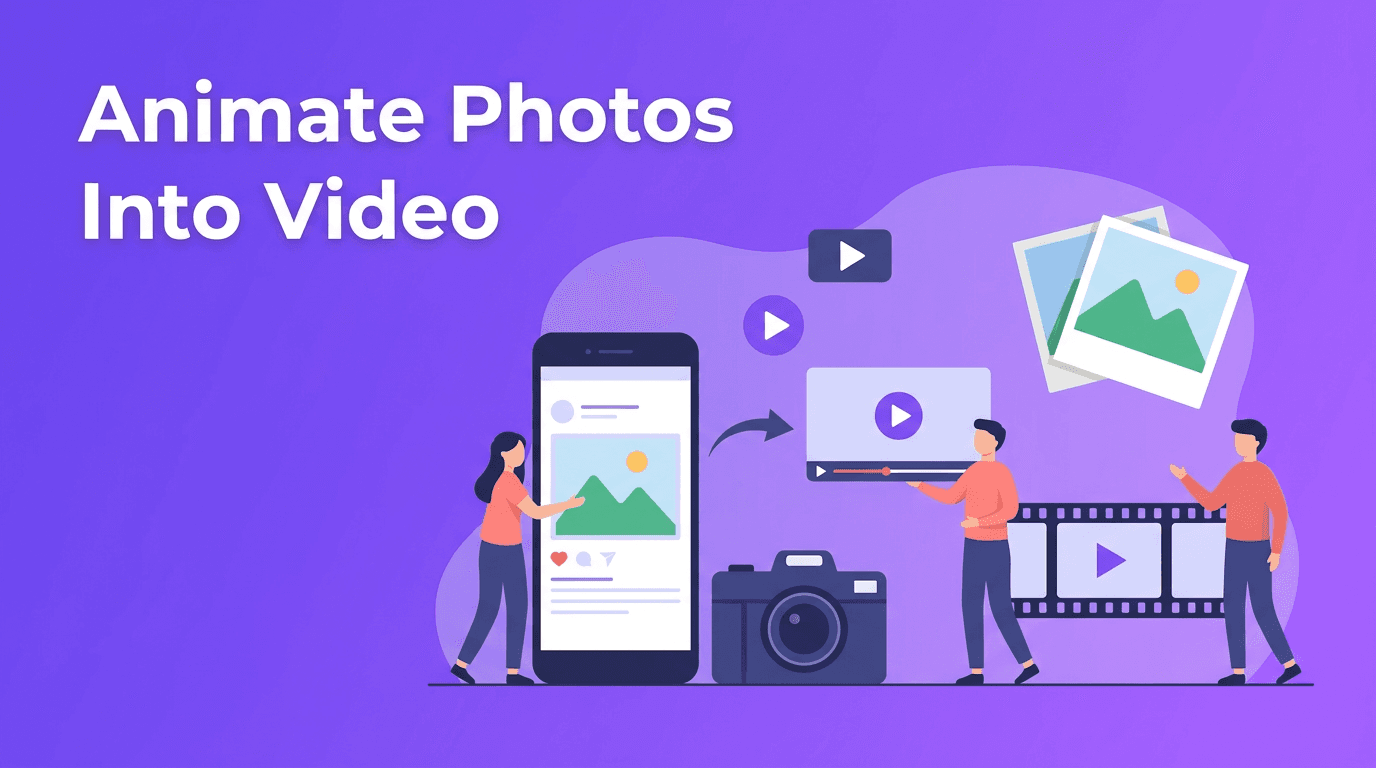
A great photo to video workflow can turn one still image into a moving story. Whether you want to showcase a product, create a mini real estate tour, revive family memories, or make scroll-stopping social posts, AI now makes it much easier to add motion, depth, and emotion to a single frame.
Why photo to video matters now
Static images still matter, but motion usually captures attention faster. With modern image to video AI tools, creators can simulate camera movement, animate facial expressions, add subtle environmental motion, and build short clips without filming new footage. That means faster production, lower costs, and more ways to reuse your existing photos.
- Photographers can turn portraits and landscapes into cinematic clips.
- E-commerce sellers can animate product shots into ad-ready videos.
- Real estate agents can create room-by-room motion from listing photos.
- Families and creators can transform old pictures into emotional memory videos.
- Social media managers can repurpose image libraries into reels, stories, and short promos.
How AI turns a still photo into motion
In simple terms, AI studies the objects, depth, edges, lighting, and likely movement inside an image. Then it predicts how that scene could move over time. This is why a good animate photo AI tool can create effects like a gentle camera pan, a slow zoom, layered parallax, moving hair, drifting clouds, or lifelike character motion from one source photo.
Common animation styles to know
- Cinematic pan - The frame glides left, right, up, or down to create drama and reveal details.
- Zoom in or zoom out - A simple but powerful effect for portraits, products, and interiors.
- Parallax motion - Foreground and background move at different speeds, creating a 3D feel.
- Character animation - Faces, eyes, smiles, or body posture gain subtle motion for a more alive result.
- Environmental motion - Water ripples, light flickers, clouds drift, or fabric moves slightly.
"A single photo can become a scene, a memory, or a sales asset when motion gives it context."
Best use cases for photo to video creation
1. Product photography animation for e-commerce
If you sell online, you do not always need a full video shoot. You can turn photo into video content by animating clean product images. For example, a skincare brand can start with a hero bottle shot, add a slow zoom, create light reflections, and animate splash elements to make the product feel premium. This works especially well for product launches, paid ads, and marketplace listings.
2. Real estate virtual tours from listing photos
Real estate teams can convert image to video clips from wide-angle room photos. A slow pan across a living room, a gentle zoom through a kitchen, and transitions between exterior and interior shots can simulate a guided property walkthrough. It is a practical option when you need fresh listing content quickly.
3. Bringing old photos to life
One of the most emotional uses of bring photos to life AI is restoring and animating family pictures. A portrait of a grandparent can gain subtle eye movement and a soft zoom, turning a still memory into a more immersive tribute. Keep these edits respectful and realistic, especially for historical or sensitive images.
4. Social media content from a single image
Creators and brands often need fresh content every day. A reliable photo to video app lets you reuse one strong photo in multiple ways, such as a dramatic intro clip, a product teaser, a story background, or a reel cover animation. This is one of the fastest ways to make your content library work harder.
How to get better results from AI photo animation
Start with the right source photo
- Use high-resolution images whenever possible.
- Choose photos with a clear subject and minimal blur.
- Look for good lighting and visible texture.
- Avoid heavily compressed files with artifacts.
- For parallax effects, pick images with obvious foreground and background separation.
Match the motion to the goal
Not every photo needs dramatic movement. For luxury products, a slow cinematic pan often looks more premium than fast animation. For memory videos, subtle zoom and gentle facial motion can feel more natural. For real estate, smooth directional movement helps viewers understand the space.
Keep clips short and purposeful
Most AI-generated clips work best when they stay focused. Aim for a clear purpose in the first few seconds, whether that is showing product detail, highlighting a room feature, or creating emotion around a portrait. Short, polished motion usually outperforms long, repetitive movement.
Using Movi AI to animate photos faster
*Movi AI* helps you create videos from images, prompts, and existing footage, making it a practical option for anyone exploring ai photo animation. You can use photo-based inputs to create cinematic clips for product marketing, social media campaigns, memory edits, and visual storytelling without a traditional editing setup.
Ready to animate your photos?
Use *Movi AI* to transform still images into engaging video clips for ads, listings, memories, and social posts.
Download Movi AIA simple workflow to follow
- Choose your best image and decide the story you want the clip to tell.
- Pick a motion style such as zoom, pan, parallax, or character animation.
- Adjust the intensity so the movement fits the subject.
- Export a short version for social media and a slightly longer version for web or ads.
- Test different openings, captions, and music to improve engagement.
Common mistakes to avoid
- Using low-quality source photos and expecting premium output.
- Adding too much movement, which can make the clip look artificial.
- Ignoring aspect ratio needs for reels, stories, listings, or websites.
- Animating every element equally instead of creating depth.
- Skipping test exports before publishing.
Final thoughts on turning images into motion
The biggest advantage of photo to video creation is speed. You can take one image and turn it into marketing content, a memory piece, or a polished social asset in minutes. As image to video AI continues to improve, more creators will rely on still photos as the starting point for dynamic visual storytelling. If you want a simple way to experiment, *Movi AI* is a smart place to start.
Frequently Asked Questions
How can I turn a photo into video with AI?
Upload a clear image into an AI video tool, choose a motion style like pan, zoom, or parallax, then generate and export the clip. Apps like Movi AI make this process fast and beginner-friendly.
What is the best photo to video app for social media content?
The best app depends on your workflow, but look for easy image upload, AI motion controls, and export options for vertical formats. Movi AI is useful for turning photos into short, shareable videos quickly.
Can AI bring old photos to life?
Yes. AI can add subtle facial movement, camera motion, and depth effects to old portraits, making them feel more vivid while keeping the original image as the base.
Do I need a high-quality image for AI photo animation?
Higher-quality images usually produce better results. Clear subjects, good lighting, and enough detail help AI generate smoother and more convincing motion.
Movi AICreate stunning AI videos in seconds!
Turn your ideas into professional videos with the #1 AI video maker.
Download Movi AI