Prompt to Motion Maps: How Text to Film Models Turn Words Into Scene Plans
Curious about how modern text to film systems interpret prompts? Learn how words become scene plans, why prompt structure matters, and how Movi AI helps beginners create better results.


By Movi AI Team
Movi AI Editorial Team
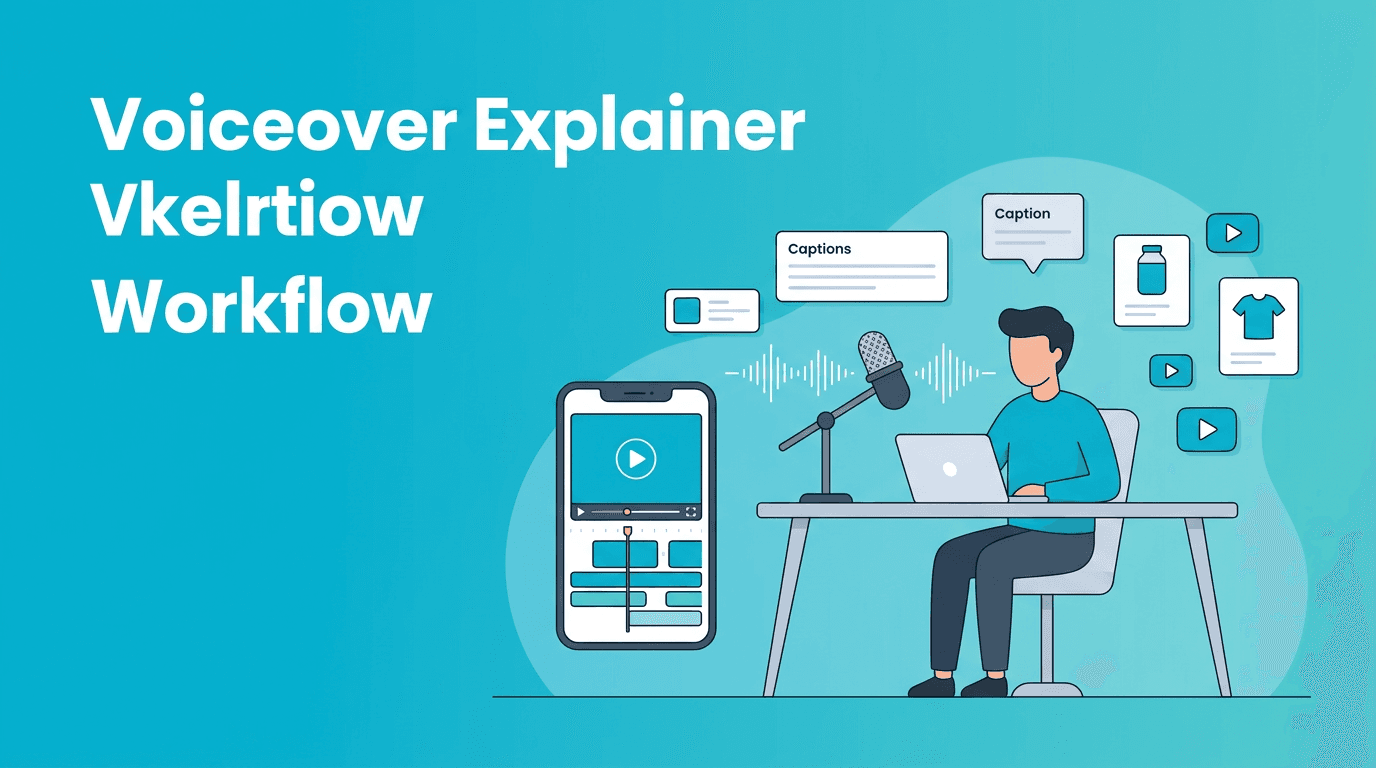
Prompt to motion is the hidden process behind modern AI clip generation. When you type a request, the model does not simply "film" your sentence. It breaks your words into visual ideas, timing cues, style hints, and motion priorities. For beginners, understanding prompt to motion makes it much easier to get cleaner, more usable results.
Why prompt to motion matters
Many people assume better outputs come from longer prompts. In reality, stronger results usually come from clear visual instructions, specific subject details, and simple motion language. A model needs to decide what the scene shows, how the camera behaves, and what changes over time.
- Subject - Who or what appears in the scene
- Setting - Where the scene happens
- Action - What changes or moves
- Style - The visual look or mood
- Camera - Zoom, pan, tracking, close-up, wide shot
- Format - Vertical, square, or widescreen output
How models translate words into video logic
Most systems convert text into numerical representations, then connect those representations to patterns learned from massive video and image datasets. Instead of understanding language like a human, the model predicts which frames, motion paths, and textures best match the prompt. This is why small wording changes can produce very different clips.
Diffusion-based approaches
Diffusion systems often begin with noisy visual data and refine it step by step until a coherent result appears. These models can produce rich textures and stylized visuals, but they may struggle with long, consistent motion if the prompt is vague.
Transformer-based approaches
Transformer architectures are strong at modeling sequence relationships. In video generation, this can help with temporal consistency, object persistence, and scene structure across frames. Different tools combine transformers and diffusion in different ways, so outputs can vary a lot between apps.
"Great AI video results usually come from clear direction, not complicated wording."
Good prompts vs bad prompts
If you want stronger prompt to motion results, describe what should be visible and what should happen over time. Avoid abstract requests that leave too much open to interpretation.
- Bad: "Make something cool and cinematic."
- Better: "A close-up of a baker placing fresh croissants on a wooden tray, warm morning light through a cafe window, gentle camera push-in, realistic style, 16:9."
- Bad: "A dog in a park."
- Better: "A golden retriever runs across a grassy park chasing a red ball, handheld tracking shot, bright afternoon light, natural motion, 9:16 for social media."
Prompt building formula
Try this simple structure: subject + action + setting + camera + style + format. This keeps prompts organized and easier for the model to interpret. In *Movi AI*, beginners can use this formula to create clips from text, images, or existing videos without needing advanced editing knowledge.
Try Movi AI for faster video creation
Turn ideas into polished clips with a beginner-friendly workflow for text, image, and video inputs. Great for creators, marketers, and small teams.
Download Movi AIPractical settings that change results
- Aspect ratio - Use 9:16 for Reels and TikTok, 16:9 for YouTube, 1:1 for feeds
- Clip length - Shorter clips are often easier to control than long generations
- Style keywords - Terms like realistic, animated, sketch, cinematic, or macro can shift output quality
- Motion intensity - Gentle actions often look more stable than chaotic, multi-object scenes
- Quality settings - Higher quality may improve detail, but can take longer to generate
Where prompt to motion helps in real workflows
- Social content - Turn quick ideas into vertical clips for daily posting
- Product marketing - Visualize a concept before a full video shoot
- Education - Explain processes with animated scenes generated from simple descriptions
- Creative testing - Explore multiple visual directions before picking one concept
- Small business promotion - Create lightweight content without a full production setup
Final takeaway
Understanding prompt to motion helps you write better instructions, choose smarter settings, and judge results more accurately. Instead of asking for everything at once, focus on one scene, one action, and one visual goal. That approach usually leads to cleaner outputs and a smoother creation process in tools like *Movi AI*.
Frequently Asked Questions
How do prompts become videos in AI tools?
The model converts words into mathematical representations, then predicts frames and motion patterns that match those ideas.
What is the best prompt structure for AI video generation?
A simple structure like subject, action, setting, camera, style, and format usually works well for beginners.
Are diffusion or transformer models better for video?
It depends on the tool. Diffusion models often excel at detail and style, while transformer-based systems can help with sequence consistency.
How can I improve my AI-generated video results?
Use clearer prompts, shorter scenes, specific camera directions, and the right aspect ratio for your platform.
Movi AICreate stunning AI videos in seconds!
Turn your ideas into professional videos with the #1 AI video maker.
Download Movi AI